ACV
Apple cider vinegar
Apple cider vinegar is commonly discussed in nutrition research in relation to post-meal glucose, appetite, and body-weight measures. Findings vary, and any effect should not be interpreted as a guarantee of fat loss.
The product is presented around a combination of apple cider vinegar, chlorella, spirulina, and magnesium. The key is to evaluate each ingredient on its own terms—and then avoid assuming that ingredient research proves the exact effects of the finished formula.
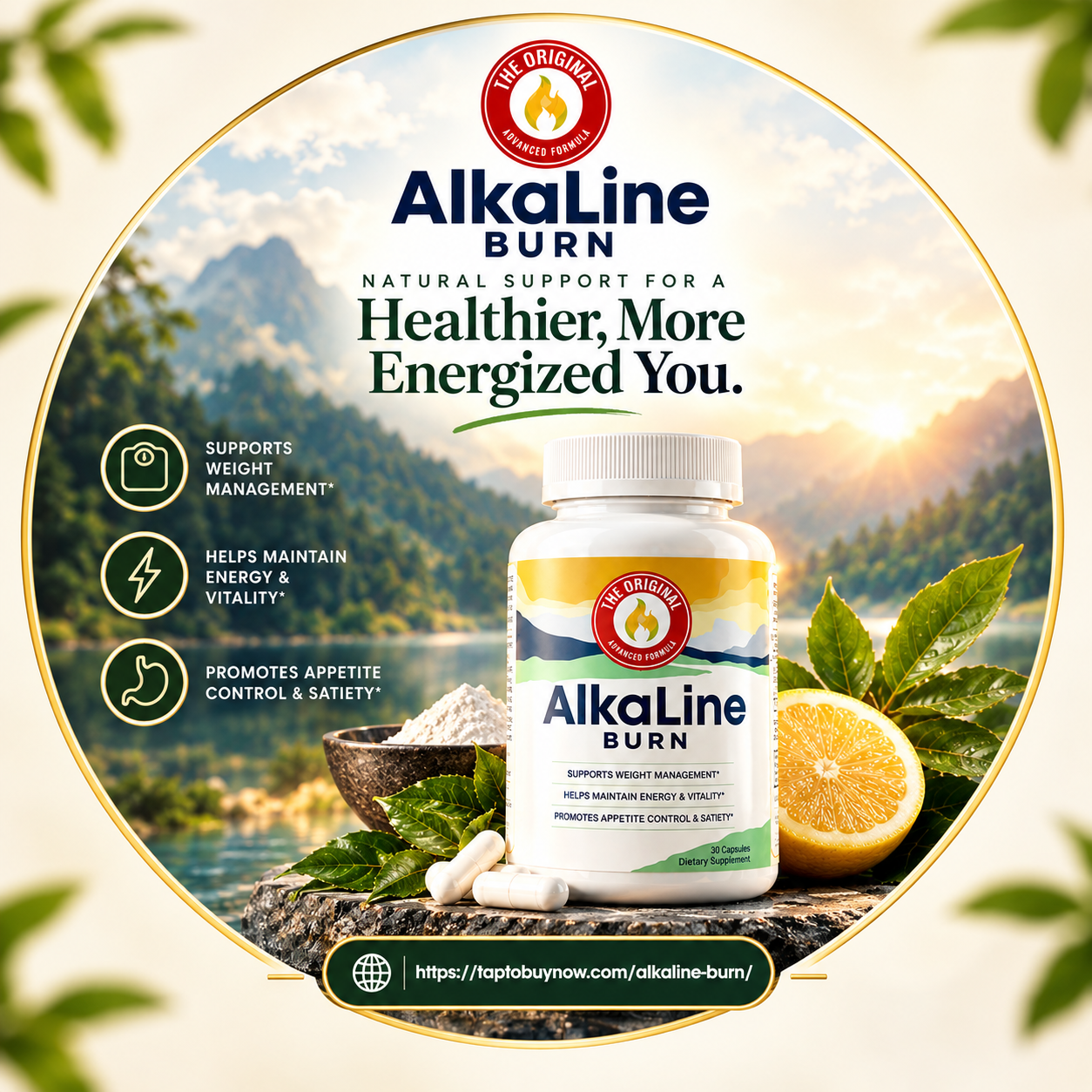
The current product information should always be checked against the label on the bottle you receive, especially for serving size and exact quantities.
Apple cider vinegar is commonly discussed in nutrition research in relation to post-meal glucose, appetite, and body-weight measures. Findings vary, and any effect should not be interpreted as a guarantee of fat loss.
Chlorella is a nutrient-rich freshwater microalga. Research has explored several nutritional and metabolic outcomes, but evidence for a particular weight-management effect depends on the study, dose, population, and duration.
Spirulina is a cyanobacterium often used as a dietary ingredient. Human studies have examined nutritional and metabolic markers, but results from individual studies should not be converted into guaranteed product outcomes.
Magnesium is an essential mineral involved in many normal physiological processes. Adequate intake matters for health, but that does not mean additional magnesium necessarily produces weight loss or a stimulant-like energy effect.
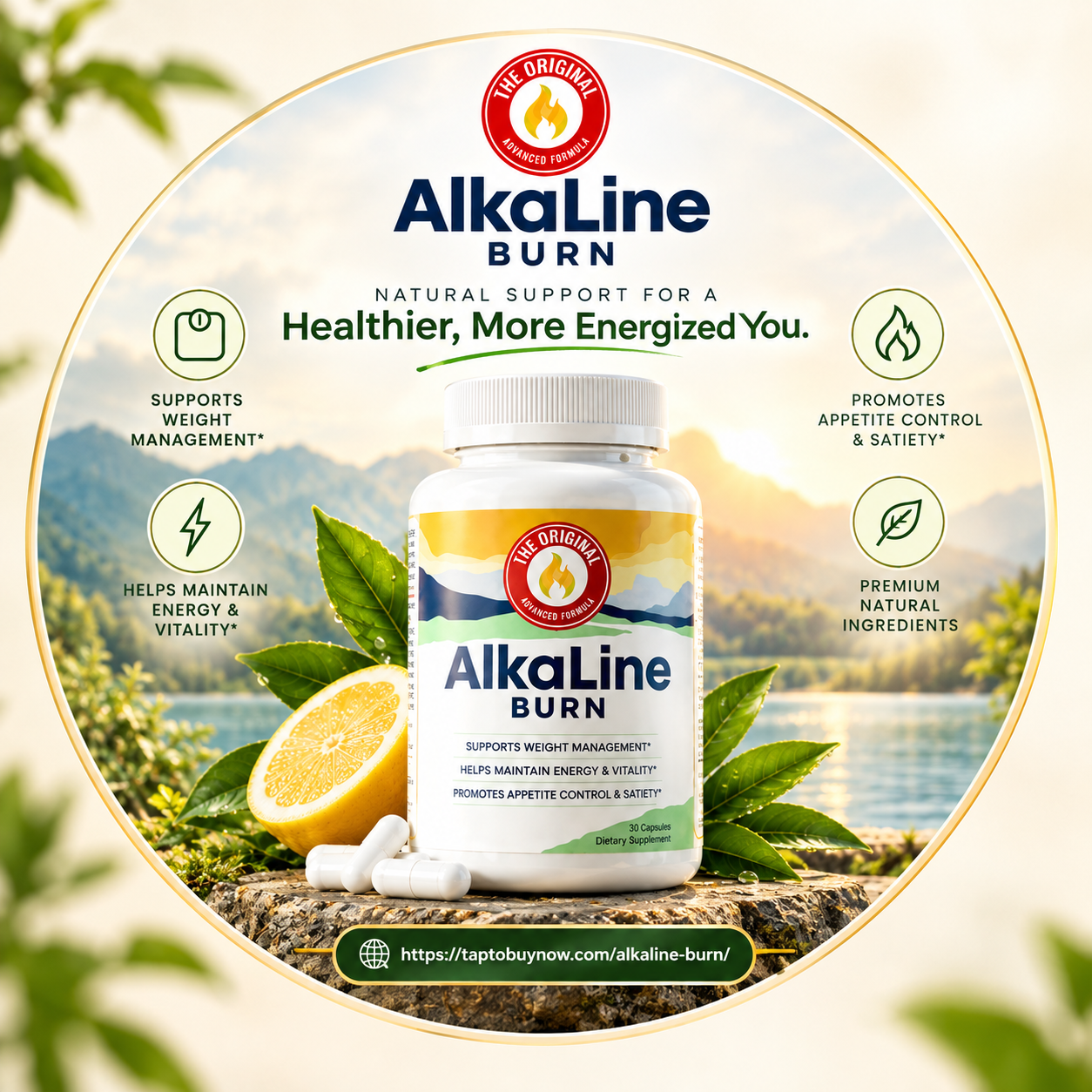
Suppose a study finds an association or effect for one ingredient. That study generally tells you something about that ingredient under the conditions tested. It does not automatically establish that a multi-ingredient product will produce the same result.
To evaluate a finished supplement more confidently, you would ideally want evidence on the actual formulation, including relevant doses, study population, duration, comparator, and clinically meaningful outcomes.
A good review asks not only “Has this ingredient been studied?” but also “Does that study actually match this product and the outcome being advertised?”
When you encounter a study or a claim about a supplement, look for these details:
This framework is useful because supplement marketing can sometimes move from “research has examined this ingredient” to a much stronger implication about what the finished product will do.
Continue to the FAQ for a straightforward buying and usage checklist.
Read the FAQ